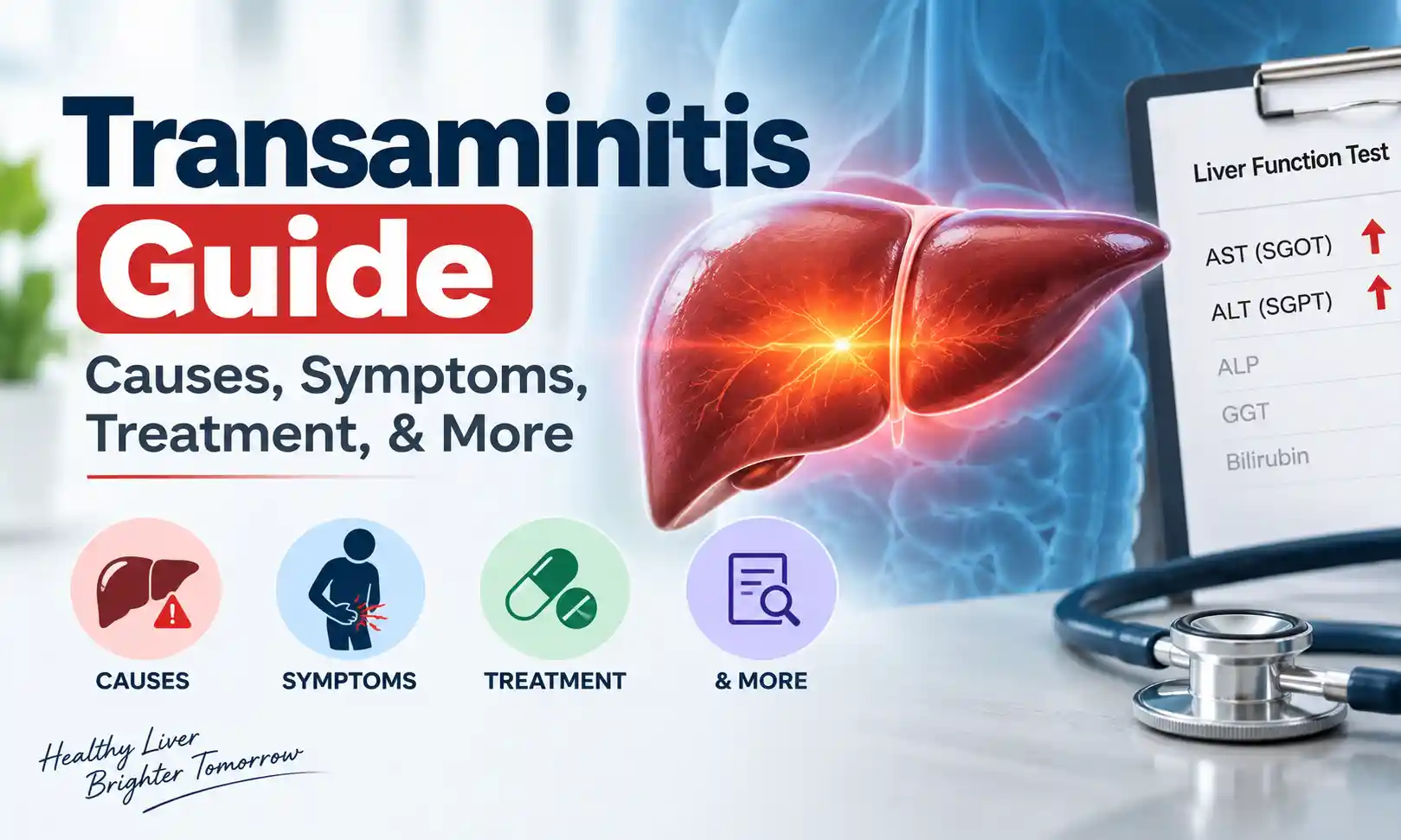
When there are elevated levels of specific liver enzymes like ALT and EST in the blood, it’s known as Transaminitis. To be specific, ALT stands for Alanine Aminotransferase, and AST is short for Aspartate Aminotransferase. Transaminitis is not particularly a disease in itself. Instead, it can be described as an indicator of liver-cell injury or something else. It is mostly found in medical laboratories during blood tests.
Speaking of which, professionals often discover this indicator without any intention of doing so. Even blood test patients don’t usually show symptoms of transaminitis. The scale of the problem depends on the high levels of enzymes, consistency of elevation, etc. Stay tuned as this guide blog explains everything you need to know about Transaminitis.
Understanding The Indicator “Transaminitis”
Basically, Transaminitis is a term that is used by medical professionals when they detect elevated transaminases in someone’s blood test. The transaminases refer to liver enzymes like ALT and AST. In normal anatomy, these enzymes are meant to exist inside the liver cells unless they are injured. If the liver cells get injured, these enzymes can possibly leak into one’s bloodstream. That’s how their measured levels increase beyond normal. Without a doubt, the ALT enzyme is exclusive to the liver. On the other hand, the AST can be found in the kidneys, heart, skeletal muscle, and different tissues.
When the Transaminitis indicator is discovered in blood tests, it doesn’t automatically mean that the patient has liver failure. It is more like a sign that requires further diagnosis and investigation of the symptoms or medical history. Please note that there is no specified or universally accepted value for ALT and AST enzymes. Hence, concluding actual Transaminitis requires more precision. Different laboratories around the world have their own reference values, and medical professionals interpret the blood results based on their developed understanding. The rate and consistency of elevation matter a lot in this regard.
ALT & AST Enzymes Explained With Transaminitis
As has been noted, ALT means Alanine Aminotransferase. The concentration of these enzymes is in the liver. That’s why ALT leakage in blood is considered to be a specific type of hepatocellular injury. In contrast, AST stands for Aspartate Aminotransferase. These enzymes are surely present in the liver but not limited to a single organ. It is also found in the skeletal muscle, heart, tissues, etc.
Whenever elevated levels of AST enzymes are found, it doesn’t always originate from the liver. Other muscle injuries like the rhabdomyolysis also contribute to elevated AST levels in the blood. The correlation between ALT and AST laid the foundation for many diagnostic clues. A ratio of more than 2 can indicate alcohol-related liver diseases. However, it is not the basis for a true diagnosis. It can also be due to an advanced cirrhosis or other non-live medical conditions.
Is Transaminitis Considered To Be A Disease?
In simple words, Transaminitis is not a medical condition or a specific disease. It can be defined as a descriptive laboratory finding or simply an indicator for other issues in the human body. Finding the Transaminitis indicator means that the medical professionals are yet to establish an underlying cause. The elevated levels of ALT and AST enzymes in the blood can occur due to many reasons.
For example, alcohol-related liver diseases, viral hepatitis, MASLD, wilson disease, Alpha-1 antitrypsin deficiency, reduced blood flow to the liver, muscle injury, etc. Hence, do not panic or make a self-diagnosis after your blood reports indicate Transaminitis, i.e., high elevated levels of liver enzymes. We’ll highlight and make you understand the most common causes of this indicator ahead.
Most Common Causes of Transaminitis
1 – Metabolic Dysfunction-Associated Steatotic Liver Disease
It is also known as MASLD. Formerly, medical experts referred to it as non-alcoholic fatty liver disease or NAFLD. This is known to be one of the most common causes of elevated Aminotransferases. This condition revolves around specific metabolic factors. For example, being overweight or obese, insulin resistance, type 2 diabetes, and metabolic syndrome. People who have MASLD only show a few or no symptoms at all.
2 – Alcohol-Associated Liver Disease
This condition can be caused by regular heavy consumption of alcohol. It leads to liver inflammation and severe internal injury. An AST-predominant pattern is produced by alcohol-associated liver disease. Medical experts find a ratio above 2 as a major diagnostic clue.
3 – Viral Hepatitis
Elevated levels of liver enzymes like ALT and AST can sometimes be caused by Hepatitis A, B, or C. Other similar viral infections can also lead to higher levels of Aminotransferases. For example, Epstein-Barr virus, cytomegalovirus, herpes simplex virus, etc. Aside from enzyme elevations, liver inflammation is also a common symptom.
4 – Drug-Induced Liver Injury
A drug-induced liver injury can be caused by prescription drugs, over-the-counter medicines, and supplements. Whenever liver enzymes are too high, it can be a sign of Acetaminophen toxicity. The medical staff will surely consider it a possibility. Instead of assuming that these products are safe, share a list of all the medications and supplements with the healthcare providers.
5 – Metabolic Disorders
Several disorders can be the reason behind Transaminitis. For example, hemochromatosis, Wilson disease, and Alpha-1 antitrypsin deficiency. This is especially a possibility when there are persistent elevations.
What Are The Symptoms of Transaminitis?
| S. No | Symptoms |
|---|---|
| 1. | Easy Bruising/Bleeding |
| 2. | Fatigue |
| 3. | Nausea/Vomiting |
| 4. | Poor Appetite |
| 5. | Upper Right Abdominal Discomfort |
| 6. | Itching |
| 7. | Dark Urine |
| 8. | Pale-colored Stools |
| 9. | Abdominal/Leg Swelling |
| 10. | Jaundice |
Treatment Options For Transaminitis
As has been noted, Transaminitis is not a disease itself. Hence, the treatment depends on the exact diagnosis concluded by the healthcare providers. Managing the high levels of liver enzymes in the blood can vary and it can involve different steps. For example:
- They may treat you for viral Hepatitis, if indicated.
- Medical experts will address the metabolic risk factors and possibility of MASLD.
- If a medication has possibly caused it then it will be stopped. Or, given under medical supervision only.
- You might need treatment for autoimmune or hereditary liver diseases.
- They’ll tell you to avoid consumption of alcohol to avoid further injury.
- Doctors can also treat structural problems in the liver, like obstruction.
- Management of severe or acute liver injury may be required in a proper hospital.
Conclusion
There are several ways to protect your liver health and never come across the Transaminitis indicator in the blood reports. For example, regular exercise, limited or no alcohol consumption, etc. Unlike the common misconceptions, Transaminitis in your blood reports doesn’t indicate liver failure in the future. You should be cooperative, share everything with your healthcare provider, and trust their diagnosis. The elevated levels of liver enzymes in the blood can be caused by many things.
FAQs
What is the usual cause of elevated liver enzymes?
In most cases, it is due to metabolic dysfunction-associated steatotic liver diseases.
Is the Transaminitis indicator risky and dangerous?
That’s not necessary and you should wait for a proper diagnosis.
What does Transaminitis mean?
It means that the levels of liver enzymes like, particularly AST and ALT, are elevated in your blood flow.
Does alcohol cause the most cases of Transaminitis?
Alcohol can cause acute and chronic liver injury causing the enzymes to leak in the blood, but it’s not necessary.
How to cure Transaminitis?
It is not a disease itself and the treatment depends on the specific medical diagnosis.